
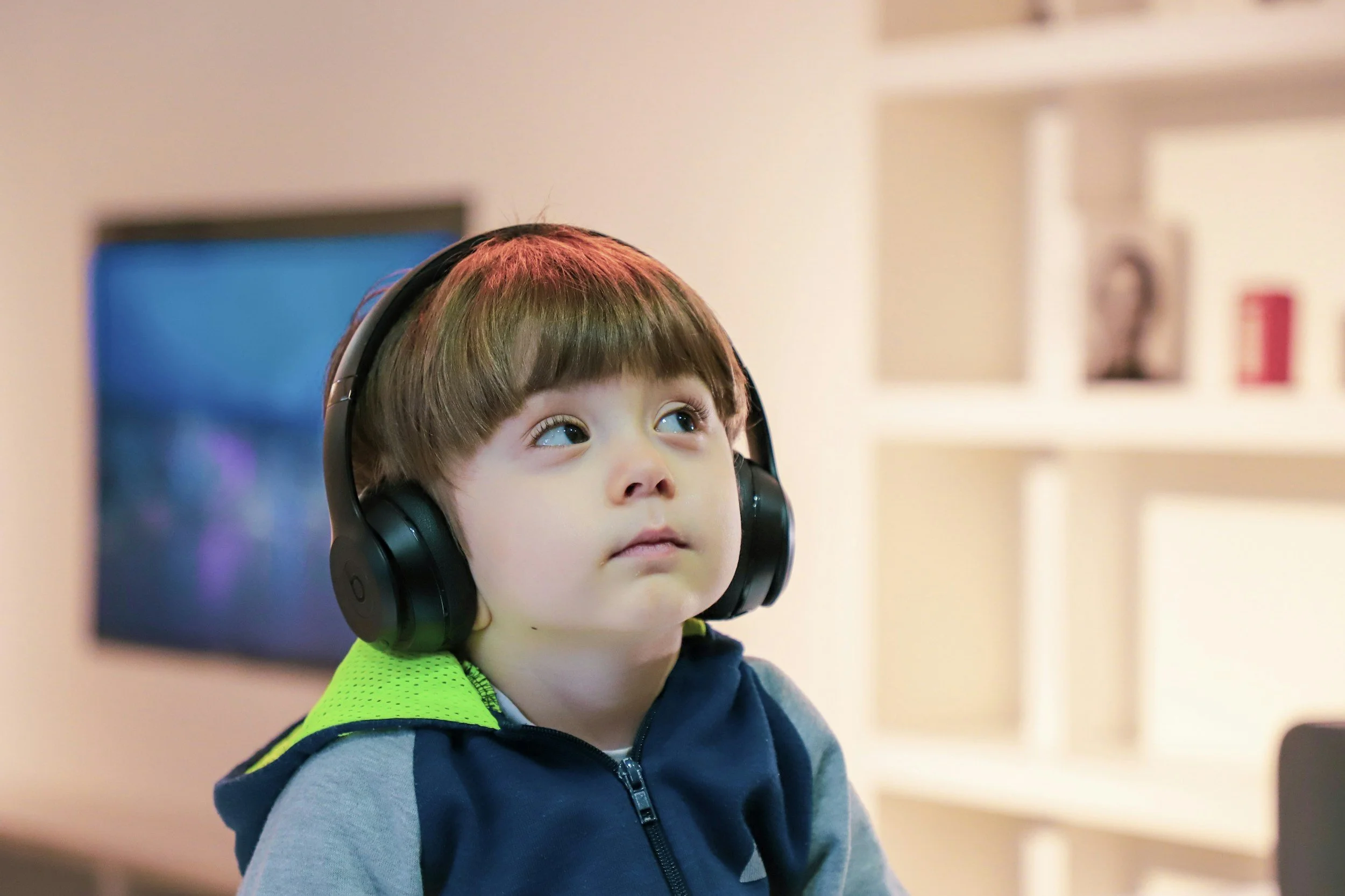
Signs of Autism
Recognizing the Signs of Autism at Every Age
Every child develops at their own pace, which can make it hard to know when a difference is just a phase and when it's worth a closer look. Autism can show up differently depending on a child's age, and the signs you notice in a toddler often look different from what shows up in a preschooler or a school-aged child. Knowing what to watch for at each stage can help you decide what to do next.
-
![]()
Signs of Autism by Age
Autism is a spectrum, so no two children show the exact same signs. Still, certain patterns tend to appear at certain ages. Younger children often show differences in communication, play, and social interaction, while older children may show more noticeable differences in social understanding, flexibility, and peer relationships. Looking at signs by age can help you figure out what's typical for your child's stage of development and what might be worth a conversation with a professional.
-
![A young girl with brown hair in a ponytail, wearing a gray shirt with ruffled sleeves, blue jeans with a lace hem, and beige shoes, is standing on a wooden floor surrounded by scattered craft supplies and pipe cleaners. She is holding a yellow and orange craft that she appears to be working on. The room has large windows with natural light, exposed brick walls, and blue pennant banners hanging.]()
Signs in Toddlers
In toddlers, signs of autism can include limited eye contact, not responding consistently to their name, delayed or limited language, repeating words or phrases, lining up toys instead of playing with them, strong reactions to certain sounds or textures, and less interest in pointing, showing, or sharing objects with others. Some toddlers also show repetitive movements, like hand-flapping or rocking, or become very upset when routines change.
-
![Group of children sitting at a table, reading a colorful comic book, in a classroom setting.]()
Signs in Preschoolers
By preschool age, signs of autism often become more noticeable in social settings. You might see a child who has trouble taking turns or playing alongside other kids, struggles with pretend play, gets stuck on specific topics or routines, has difficulty with transitions between activities, or shows strong, narrow interests. Speech may be delayed, overly formal, or focused on repeating phrases from shows or books rather than back-and-forth conversation.
-
![A young boy with a shaved haircut in a red shirt writing in a notebook at a wooden table in a classroom, with a girl beside him and other children in the background.]()
Signs in School-Aged Children
In school-aged children, signs of autism can look different again. Teachers or parents might notice difficulty reading social cues, trouble making or keeping friends, a strong need for routine or rules, sensitivity to sensory input like noise or lighting, intense focus on specific interests, or difficulty with group work and unstructured social time like recess. Some children mask these differences at school and become more visibly overwhelmed once they're home.





When to Talk to Your Pediatrician
If you're noticing several of these patterns, or if a teacher, daycare provider, or family member has mentioned similar concerns, it's worth bringing them up at your child's next well-child visit. Your pediatrician can help you look at the full picture, complete a developmental screening if needed, and talk through whether a full autism evaluation makes sense.
When to Get Evaluated
An autism evaluation can be helpful when the same patterns keep showing up across settings, whether that's at home, school, childcare, or with family, and when they're affecting communication, learning, or day-to-day life. You don't need to wait for a pediatrician's referral to start an evaluation. If you've been noticing these signs for a while and want clearer answers, that's reason enough to explore an evaluation.
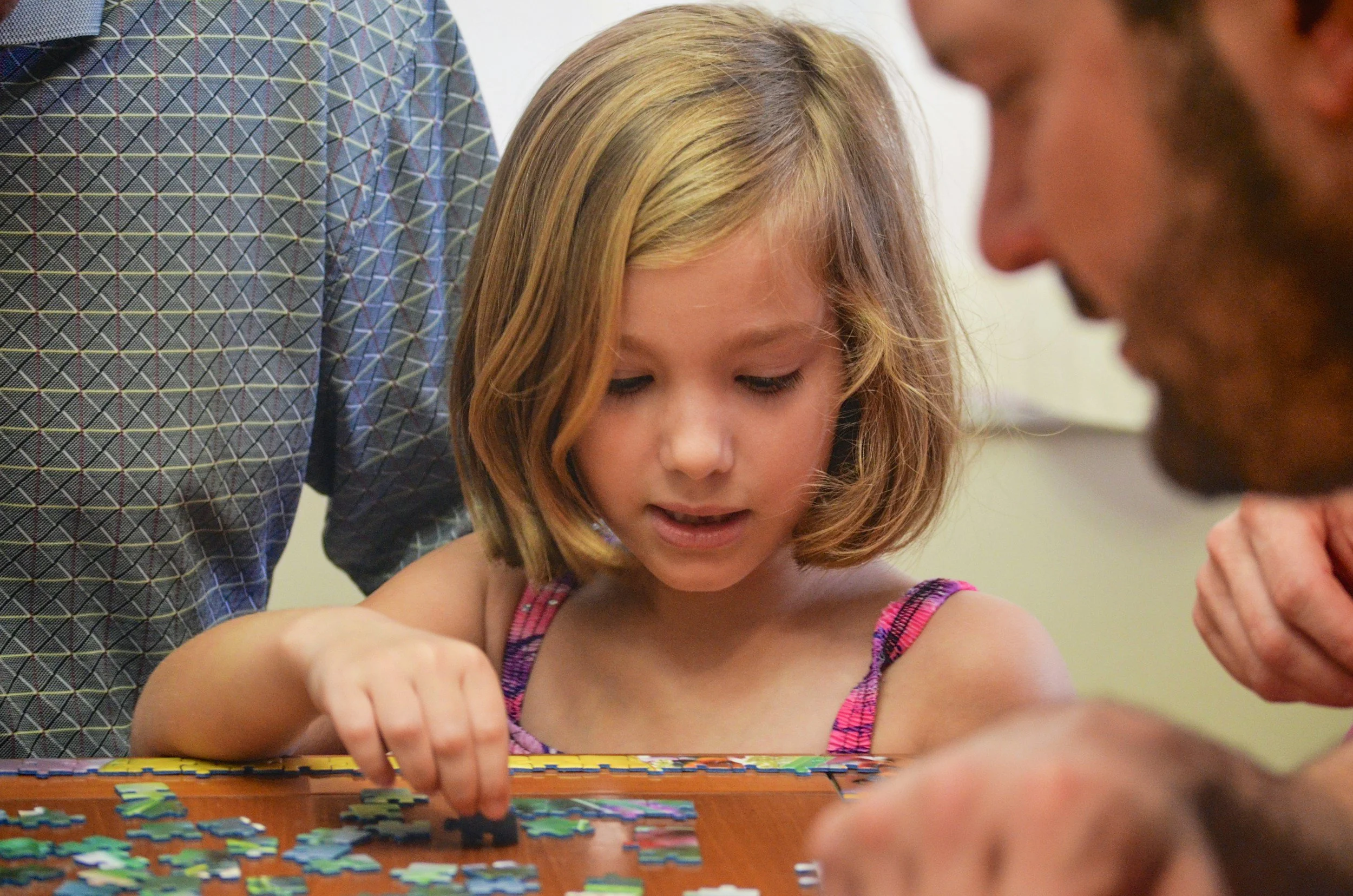
Noticing one or two of these signs doesn't automatically mean your child is autistic. Children develop at different paces, and many of these behaviors can show up temporarily or be part of typical development. The goal isn't to jump to conclusions, but to pay attention to patterns over time and get a professional opinion when you have real questions. A diagnostic evaluation, not guesswork, is the clearest way to know what's going on.
When Not to Panic
If you're noticing signs of autism in your child, you don't have to figure it out on your own. Start the intake process today to take the next step toward clearer answers.
Experts-Work with us!
We are looking for Expert BCBAs and Physicians to join our team!